ParcelGrid
A smart parcel ecosystem within the ParcelGrid platform, giving users and operators full control over the delivery experience.
Client:
Client:
My Role:
Principal Designer
Agency:
Agency:
Timeframe:
2023 – Present
Context
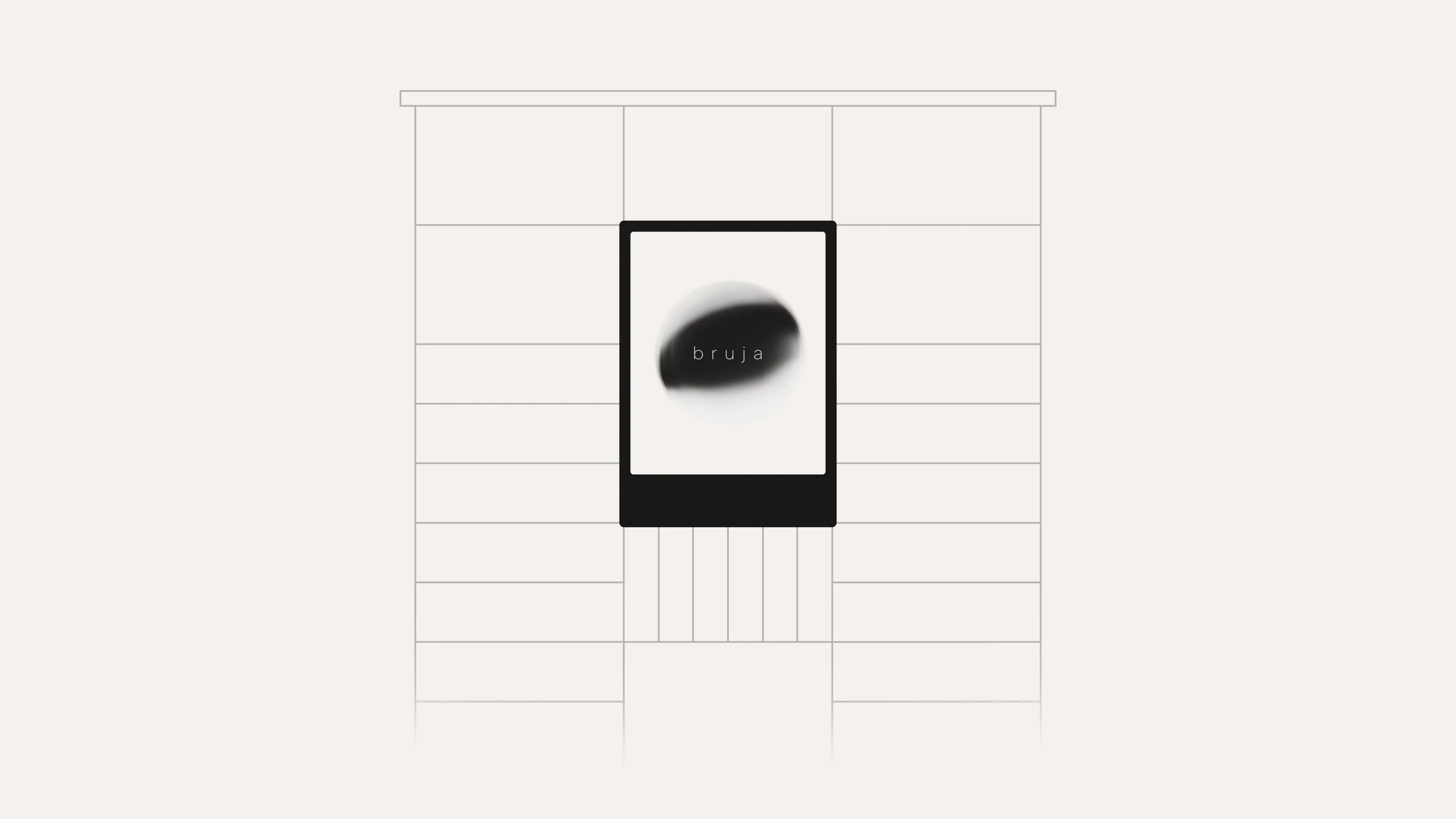
The ParcelGrid ecosystem had grown in pieces. The locker UI, mobile app, and ops tools used different logic and language, creating friction at pickup and overhead behind the scenes. Users hesitated at the device; operations handled avoidable exceptions.
Context
The ParcelGrid ecosystem had grown in pieces. The locker UI, mobile app, and ops tools used different logic and language, creating friction at pickup and overhead behind the scenes. Users hesitated at the device; operations handled avoidable exceptions.
Context
The ParcelGrid ecosystem had grown in pieces. The locker UI, mobile app, and ops tools used different logic and language, creating friction at pickup and overhead behind the scenes. Users hesitated at the device; operations handled avoidable exceptions.

Approach
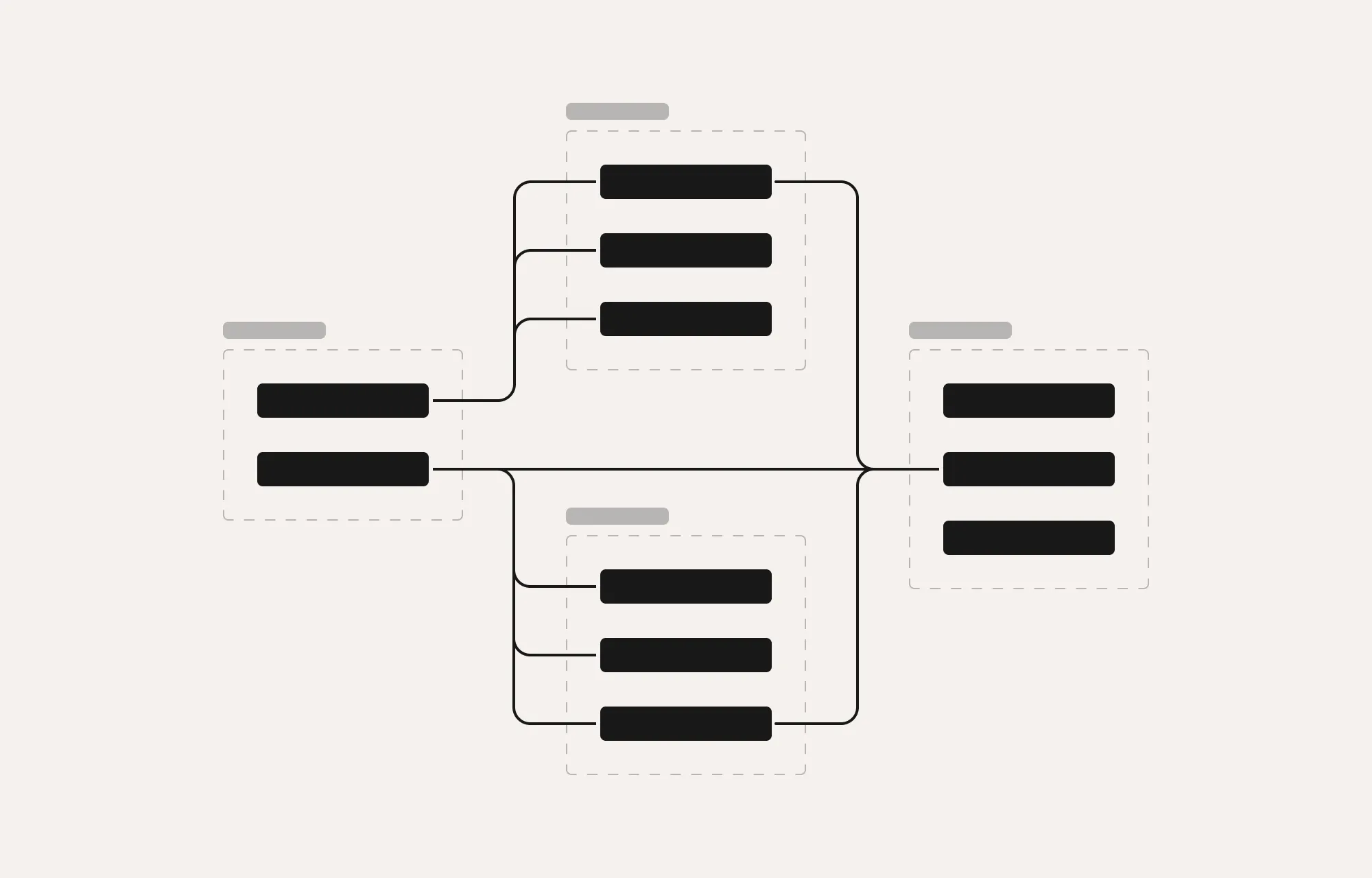
I mapped the full service flow and aligned the touchpoints around shared fundamentals: identity, parcel states, and predictable fallback paths.
I prototyped unified patterns, validated hardware limits at the lockers, and worked with ops to fix edge cases the system didn’t catch. In parallel, I set lightweight design-ops structure so new features would stay consistent.
Approach
I mapped the full service flow and aligned the touchpoints around shared fundamentals: identity, parcel states, and predictable fallback paths.
I prototyped unified patterns, validated hardware limits at the lockers, and worked with ops to fix edge cases the system didn’t catch. In parallel, I set lightweight design-ops structure so new features would stay consistent.
Approach
I mapped the full service flow and aligned the touchpoints around shared fundamentals: identity, parcel states, and predictable fallback paths.
I prototyped unified patterns, validated hardware limits at the lockers, and worked with ops to fix edge cases the system didn’t catch. In parallel, I set lightweight design-ops structure so new features would stay consistent.

Outcome
Locker sessions became faster. Remote pickup adoption increased. Operational ambiguity dropped. A shared component set gave teams a clearer, more scalable foundation.
Everything finally feels like one product. It’s clearer for customers and simpler for our teams to maintain and extend.
Tomas Varek
CEO, ParcelGrid
Outcome
Locker sessions became faster. Remote pickup adoption increased. Operational ambiguity dropped. A shared component set gave teams a clearer, more scalable foundation.
Everything finally feels like one product. It’s clearer for customers and simpler for our teams to maintain and extend.
Tomas Varek
CEO, ParcelGrid
Outcome
Locker sessions became faster. Remote pickup adoption increased. Operational ambiguity dropped. A shared component set gave teams a clearer, more scalable foundation.
Everything finally feels like one product. It’s clearer for customers and simpler for our teams to maintain and extend.
Tomas Varek
CEO, ParcelGrid
Modules


Next Case Study
Storyliner
Next Case Study
Storyliner
Next Case Study
Storyliner
Next Case Study
Storyliner
Next Case Study
Storyliner
Next Case Study
Storyliner