Locker Terminal
A terminal interface that makes every pickup simple, predictable, and confident.
Client:
Client:
My Role:
Staff Designer
Agency:
Agency:
Timeframe:
2023 – 2024

Overview
The locker terminal is the most time-sensitive touchpoint in the ecosystem. People arrive with limited patience and even less attention.
Hardware constraints, a slow resistive touchscreen, inconsistent network latency, minimal processing headroom, shape every decision.
My goal was to create an interface that felt stable and predictable despite these realities.
Overview
The locker terminal is the most time-sensitive touchpoint in the ecosystem. People arrive with limited patience and even less attention.
Hardware constraints, a slow resistive touchscreen, inconsistent network latency, minimal processing headroom, shape every decision.
My goal was to create an interface that felt stable and predictable despite these realities.
Overview
The locker terminal is the most time-sensitive touchpoint in the ecosystem. People arrive with limited patience and even less attention.
Hardware constraints, a slow resistive touchscreen, inconsistent network latency, minimal processing headroom, shape every decision.
My goal was to create an interface that felt stable and predictable despite these realities.
Exploration
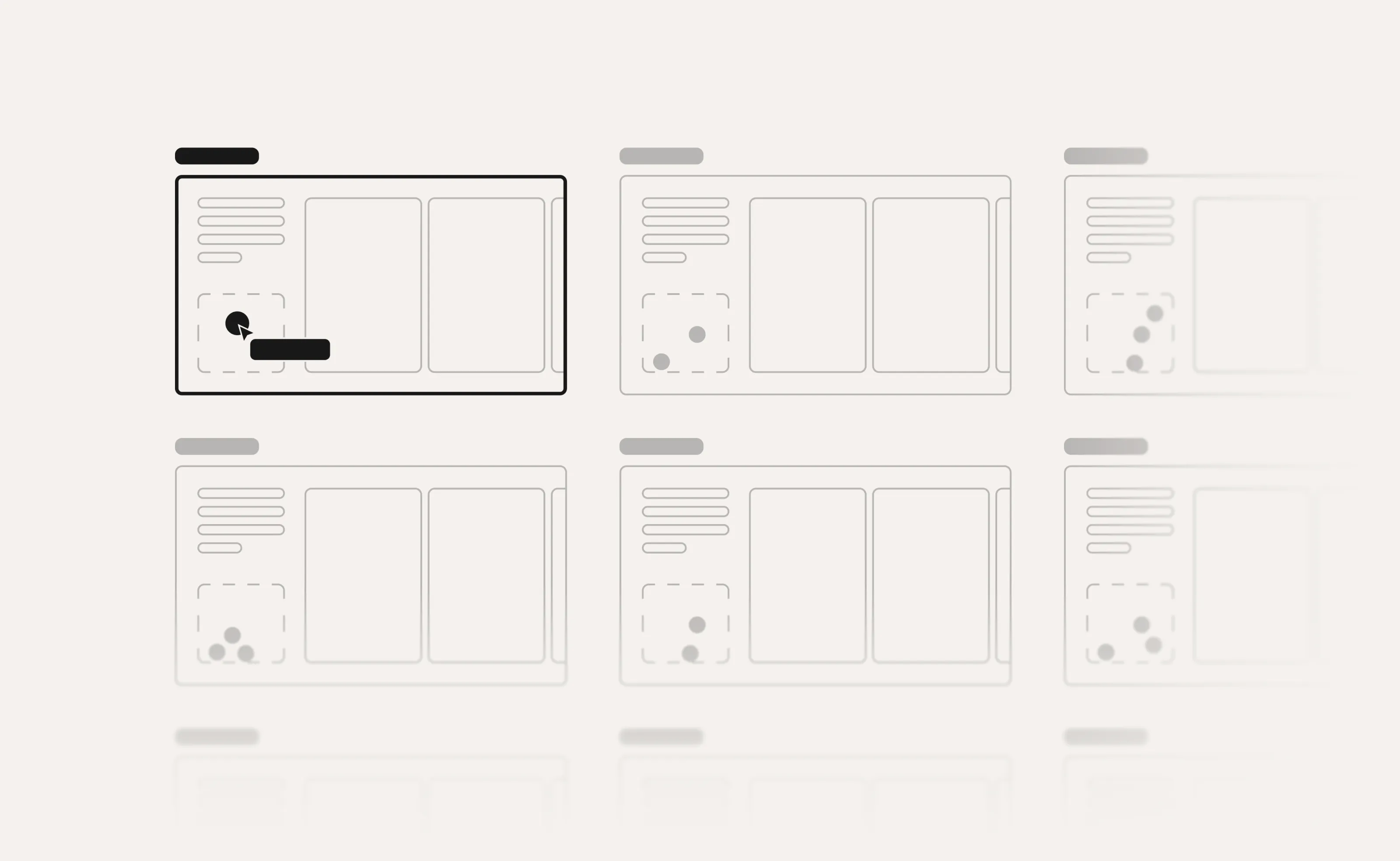
Field visits revealed three recurring pain points: unclear starting steps, inconsistent terminology with the mobile app, and anxiety during system delays.
I mapped these moments and validated hardware constraints with engineering—tap thresholds, render limits, and door-command timing.
Exploration
Field visits revealed three recurring pain points: unclear starting steps, inconsistent terminology with the mobile app, and anxiety during system delays.
I mapped these moments and validated hardware constraints with engineering—tap thresholds, render limits, and door-command timing.
Exploration
Field visits revealed three recurring pain points: unclear starting steps, inconsistent terminology with the mobile app, and anxiety during system delays.
I mapped these moments and validated hardware constraints with engineering—tap thresholds, render limits, and door-command timing.
Iterations
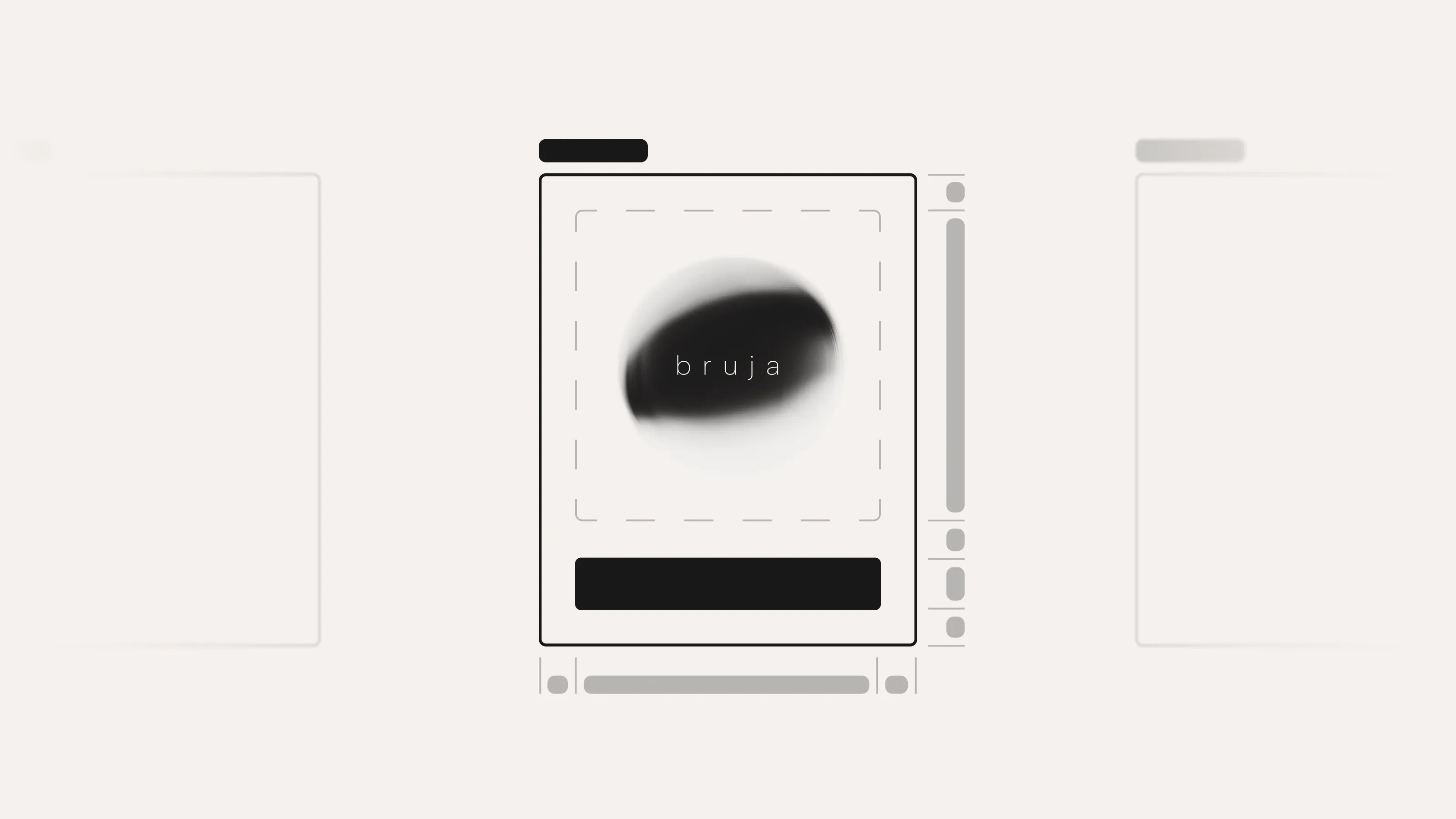
I rebuilt the flow around clarity: larger hit targets, instant transitions, and one primary action per screen.
Authentication became adaptive, auto-recognition when the mobile app provided a token, smooth fallback to manual entry when it didn’t. Error handling was unified into a single pattern with short, directive messaging.
Testing led to smaller refinements: a subtle processing indicator for slow responses, debounce logic to prevent mis-taps, and a consolidated multi-parcel flow that cut unnecessary steps.
Iterations
I rebuilt the flow around clarity: larger hit targets, instant transitions, and one primary action per screen.
Authentication became adaptive, auto-recognition when the mobile app provided a token, smooth fallback to manual entry when it didn’t. Error handling was unified into a single pattern with short, directive messaging.
Testing led to smaller refinements: a subtle processing indicator for slow responses, debounce logic to prevent mis-taps, and a consolidated multi-parcel flow that cut unnecessary steps.
Iterations
I rebuilt the flow around clarity: larger hit targets, instant transitions, and one primary action per screen.
Authentication became adaptive, auto-recognition when the mobile app provided a token, smooth fallback to manual entry when it didn’t. Error handling was unified into a single pattern with short, directive messaging.
Testing led to smaller refinements: a subtle processing indicator for slow responses, debounce logic to prevent mis-taps, and a consolidated multi-parcel flow that cut unnecessary steps.
Result
Sessions became faster and more stable. Mis-taps dropped, users reached “Open Cell” with fewer decisions, and operations reported fewer ambiguous errors.
The terminal finally behaved like the reliable part of the service it needed to be.
The new terminal flow is noticeably smoother. Users get through faster, and our support team sees far fewer unclear cases.
Daniel Stein,
Product Owner, ParcelGrid
Result
Sessions became faster and more stable. Mis-taps dropped, users reached “Open Cell” with fewer decisions, and operations reported fewer ambiguous errors.
The terminal finally behaved like the reliable part of the service it needed to be.
The new terminal flow is noticeably smoother. Users get through faster, and our support team sees far fewer unclear cases.
Daniel Stein,
Product Owner, ParcelGrid
Result
Sessions became faster and more stable. Mis-taps dropped, users reached “Open Cell” with fewer decisions, and operations reported fewer ambiguous errors.
The terminal finally behaved like the reliable part of the service it needed to be.
The new terminal flow is noticeably smoother. Users get through faster, and our support team sees far fewer unclear cases.
Daniel Stein,
Product Owner, ParcelGrid
Next Module
Mobile Client
Next Module
Mobile Client
Next Module
Mobile Client
Next Module
Mobile Client
Next Module
Mobile Client
Next Module
Mobile Client